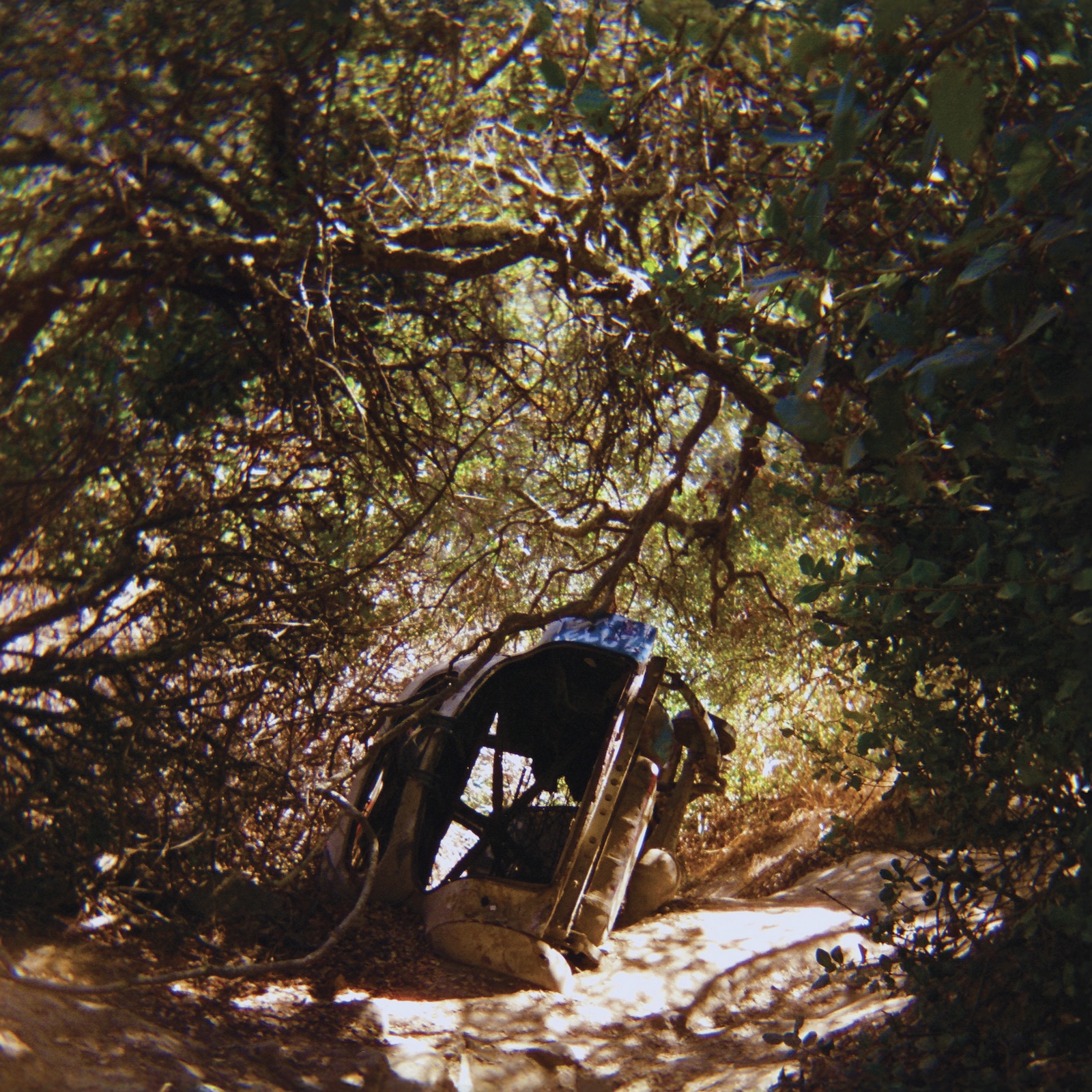
Ty Segall: Possession

Ty Segall PossessionIn 2008 a brash rocker came out of San Francisco with his first, self-titled, album. Ty Segall was a brief, noisy album of distinctly lo-fi rock. Under the murk and the distortion was a Nuggets-style garage rock album (at 23 minutes closer to an EP). Since then Segall has been releasing albums on his own and with various side projects at a pace that even Ryan Adams and Guided By Voices can’t hope to match. By my count, he’s put out 28 albums in the past 18 years. Of course, anyone who is that prolific is someone who by definition does not have an editor, and Segall has released some real junk over the course of his career. Some of his albums border on noise, and not a pleasant noise. But Segall is also capable of writing some incredible songs, and several of his albums are truly excellent. Such is the story of a restless, inventive musician who clearly burns with the desire to create. A new Ty Segall album is always worth checking out because you never know what to expect, and when he’s good he’s exceptional.

Segall is at his best when he leaves the lo-fi aesthetic behind and records conventional rock songs. This is when he combines the raw power of The Stooges, the Glam rock of T. Rex, and psychedelic influences of early Pink Floyd and Sixties garage rock and emerges with something that is distinctly his own. Possession is Segall at his best.

Released in May 2025, Segall circles back to the sweet spot he hit with 2014’s Manipulator, when he traded in lo-fi chaos for sharp production, tight songs, and a stunningly high level of pop craftsmanship. The rough edges were still there; Segall is, at the end of the day, a descendent of garage rock, but Manipulator was a huge step forward that proved he was capable of moving from the garage to the arena. At least to theaters. Though it was released eleven years later, Possession is the spiritual successor to that earlier album, taking Manipulator‘s advances and building on them. It is tighter, punchier, more focused, and packed to the rafters with smart pop sensibilities. Where the earlier album sprawled over 17 songs in nearly an hour of music, Possession has no excess baggage, clocking in at a concise 40 minutes over 10 songs.

Every song on the album is a gem, and reflects the variety found across Segall’s earlier albums while retaining a consistency of sound and approach that is occasionally lacking. The fact that this album comes on the heels of 2024’s Love Rudiments, a nearly unlistenable album of instrumental percussion tracks, makes it all the more remarkable. It’s as if Segall knew he was going off the deep end and made a decision to get back to basics: bright acoustic guitars, fuzzy electric guitars, smart lyrics, great melodies, and tight songs. This is the sound of a genuine artist who has assembled a lifetime of influences and brewed them into something entirely his own. Over a career this inability to repeat himself, while admirable, has led to a remarkable inconsistency.

Segall plays almost everything on the album including all guitars, bass, drums, and vocals and it’s an impressive feat because it never sounds like it isn’t a full band playing off each other. Most one-man shows have the sound of one ginormous ego trip, but Segall plays every instrument with equal facility and with sympathy for each. He is one of rock’s most tireless and inventive voices.

From the album’s opening, the 1970s-infused blast of sunshine “Shoplifter” segueing into the pop genius of the title track, Possession offers up one treasure after another. “Buildings” taps into Segall’s Glam influences, sounding like a mutant T. Rex outtake. “Shining” delivers a huge chorus and ferocious guitar work, while “Skirts of Heaven” slows things down while retaining the dirty sound of Segall’s guitar in a nice counterpoint to an excellent string and horn section. Perhaps best of all, maybe even the highlight of his career, is “Fantastic Tomb,” a story song that ties together the tale of a robbery gone wrong and Edgar Allan Poe’s “The Cask of Amontillado” over two distinct music motifs (and an absolutely ripping guitar solo near the end of the track).

The album ends as strongly as it begins. There truly isn’t a wasted note here. “Another California Song” ends the album on a funny note even as the lyrics tell the familiar tale of failed dreams so prevalent in Los Angeles. It provides a more than suitable closing to the album by taking all the elements of the preceding songs and blending them into a sweet confection undercut with bitter lyrics.

Possession stands at the top of Segall’s work, surpassing even the excellent Manipulator and 2018’s sprawling epic Freedom’s Goblin. It’s the most mature work he’s done to this date, in addition to being the catchiest and smartest collection of his songs. At a time when rock music is back on its heels, this album is an essential listen.

Grade: A+
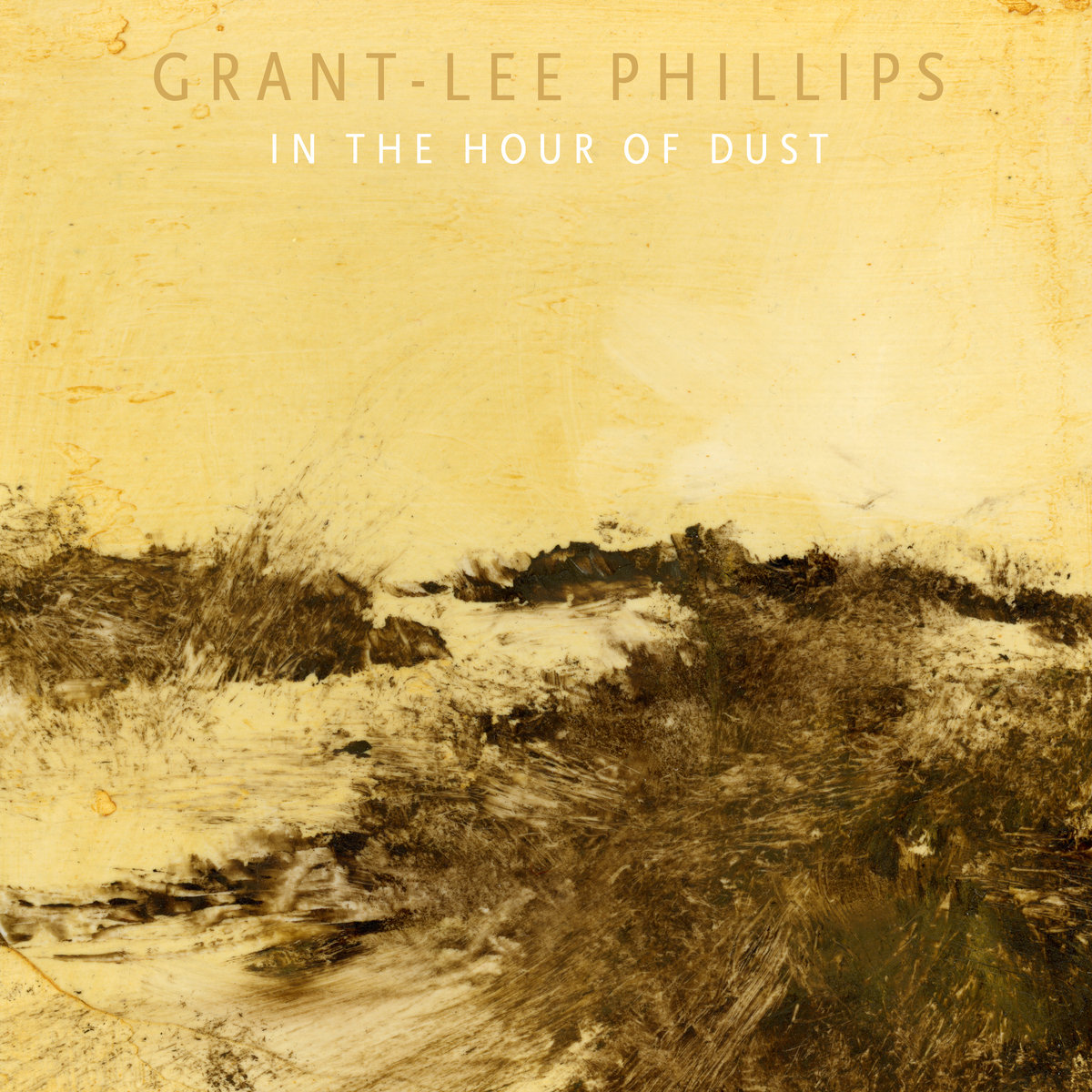
Grant-Lee Phillips: In the Hour of Dust

Grant-Lee Phillips In the Hour of DustAmericana came out of the dusty crossroads of folk, country, blues, rock, and soul. In its earliest iterations as “roots rock” it came in the shape of The Band, Gram Parsons, The Blasters, and others. It was always a responsive type of music. The Band were responding to the excesses of Sgt. Pepper and Cream. Parsons was responding to what he believed was the soulless aspect of modern country music. The Blasters were a breath of fresh air amidst the rhinestones and huge hair of the late seventies and early eighties, as well as a riposte to the punk ethos of burning down the past and starting anew. The Blasters wallowed in older styles of music and called their first album American Music. Throughout the eighties, nobody quite knew what to call this style of music that was neither fish nor fowl. Eventually the term “alt-country” was used to describe bands like The Jayhawks and Uncle Tupelo, and then that label gave way to “No Depression,” named after the Carter Family song covered by Uncle Tupelo. Desperate for a label that would stick, the Grammy Awards instituted “Americana” as a category in 1990. It was, and still is, something of a catch-all.

In 1991, Grant Lee Buffalo was formed, led by singer and songwriter Grant-Lee Phillips. The Buffalo were an important voice in shaping the sound. Their music was sometimes described as “folk punk” but that’s not really correct. Their sound was black and white in widescreen format: gritty, hushed, lyrical, atmospheric. Phillips was a truly gifted songwriter and lyricist, as well as being an uncommonly good singer (he was voted Male Vocalist of the Year in 1994 by Rolling Stone). The canvas on which he painted was America. Songs about the siege at Waco, Texas (“Lone Star Song”), the voodoo happenings of New Orleans (“Dixie Drug Store”), the undiscovered grave of Tecumseh (“The Last Days of Tecumseh”), and Johnny Cash (“Demon Called Deception”). Historical and popular culture figures trip off Phillips’s tongue like rain from the skies: John Wilkes Booth, Marie Laveau, Evel Knievel, John Wayne…Gacy. Famous American places are named, from Leavenworth, Kansas to South Rampart Street in NOLA, to the haunted hotel of The Monterey in California. Their sound was a combination of acoustic ballads and alternative rock’s hard edges.

Sadly, Grant Lee Buffalo never found a space in the marketplace. Too quiet for alternative rock, too rocky for folk, they split up after four excellent albums full of vivid imagery and emotional depth.

Grant-Lee Phillips’ solo journey, beginning with 2000’s Ladies’ Love Oracle, marked a shift from the lush, electric sprawl of Grant Lee Buffalo to a more stripped-down, folk-leaning sound that aligned closely with Americana’s core. Albums like Mobilize and Virginia Creeper showcased his knack for weaving personal and historical threads into songs that felt both timeless and urgent, drawing on influences from his Muscogee (Creek) heritage and the American South’s sonic palette. His voice—warm, clear, weathered, evocative, and soaked in sweetness—became the focus, carrying tales of love, loss, and resilience.

With his latest album, In The Hour of Dust, Phillips has once again proven himself to be one of the finest songwriters in the field. Self-produced and recorded with a small group, the record is a continuation of the sound he has carved out for himself since Virginia Creeper, over 20 years ago. The sturm und drang of the days when the Buffalo roamed are now a distant memory, replaced by some of the finest balladry of the times. Once again, the main weapon here is Phillips’s voice and softly strummed acoustic guitars, yet there’s an urgent undercurrent throughout the album the saves it from turning into Nick Drake territory, especially on tracks such as “Little Men,” “Bullies,” and “Stories We Tell.” While it might be nice to hear him break out the distortion pedal once again, those days are solidly buried in the past. “Lone Star Song” and “Homespun” are still there, available to listen, but it isn’t where his head is at these days.

Phillips calls on his Native American roots with “Did You Make It Through The Night Okay?” a particularly good song that blends light humor about strange days with a chorus that opts for cheer instead of doom. “Bullies”—with Jamie Edwards, Phillips’s first ever co-written song— takes the schoolyard bully and brings him into the adult world of boardrooms and government bureaucracies and then refuses to give any concessions to them. It’s typical of his defiant attitude toward the “little men who want to rule like Caesar” (“Little Men”), and his penchant for bringing politics into his art in subtle ways.

The album’s centerpiece is “Stories We Tell,” a beautiful lyric of self-doubt and affirmation married to a sprightly rhythm track that belies the subject matter of the song. There’s a sense of hope in the music even as Phillips sings of the “crooked lies” and “fables” that we tell ourselves, and that’s a common thread through the album. “Regret is a martyr that bleeds ‘what ifs,’ he sings, “and laments what might have been.” He dismisses the idea by calling them “all those fairy tales” even while acknowledging the very real feelings that are generated by the stories. “None of this is writ in stone,” is the message of a pep talk we all need to hear on occasion. Musically the song fits right in between the jauntier tracks like “Little Men” and “Did You Make It Through The Night Okay?” and the bedroom quiet of love songs like “She Knows Me” and tunes that bespeak of a desperate loneliness like “Someone.”

Grant-Lee Phillips’s career since the dissolution of his old band has been one of a remarkable consistency. While the quiet, whispered tones of much of his solo work can be a little much when listening in depth, there’s simply no denying that the man seems incapable of writing a bad song. With In the Hour of Dust, like his earlier triumph The Narrows, there’s enough going on musically to keep the interest and while his voice has certainly lost some of its bellow and upper range it remains a gorgeous instrument. He is simply one of the best Americana artists walking the stage today. Smart lyrics, a small band, and honey-soaked vocals. What’s not to love?

Grade: A

The Grip Weeds: Soul Bender

Grip Weeds Soul Bender Garage rock came out of the 1960s, a form of raw, back-to-basics rock and roll. The gateway drug for garage rock is the legendary collection Nuggets, originally compiled by future Patti Smith guitarist Lenny Kaye and released in 1972 as a two-record compilation of great lost tracks from the sixties. It has since been expanded into no fewer than five four-disc box sets, focusing on America, international, modern, Los Angeles and San Francisco. They represent an alternative view of the history of rock and roll, one where the big bands of the era are only heard through their influence. And it’s possible to hear all those influences in the three minutes it takes to spin out one of these songs. Part of the fun of garage rock is how it teases the ear, reminding you of something else but remaining fresh.
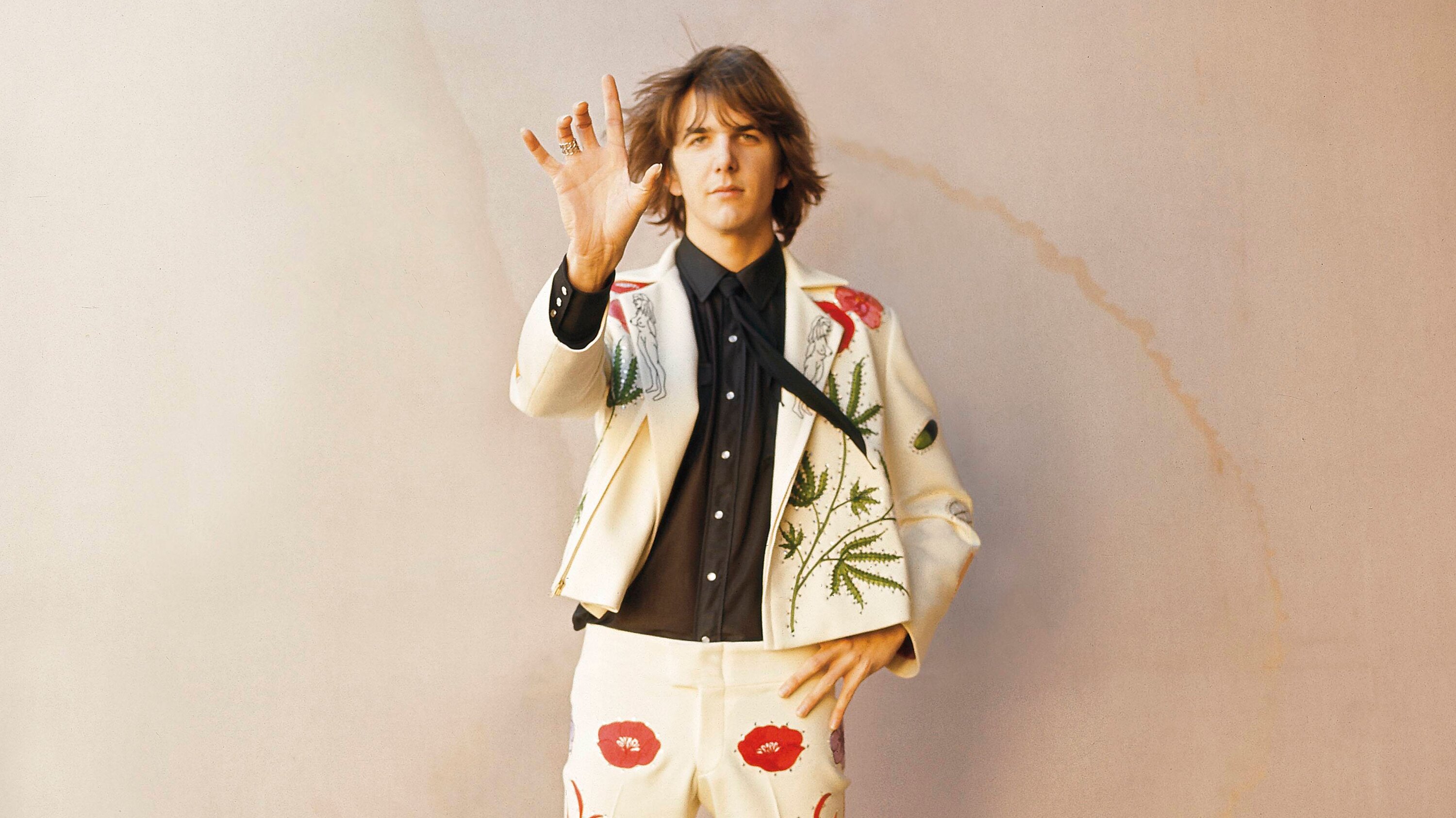
New Jersey’s Grip Weeds, named after John Lennon’s character in the movie How I Won The War, is a modern garage rock band that has just released their ninth album, Soul Bender. They are also in many ways the definitive band in this genre. The influences are there: the jangly guitars of The Byrds, the cascading drums of The Who, the harmonies of the Beatles, etc. But the beauty of the Grip Weeds is that they have assimilated their influences so well that they transcend them. On Nuggets it’s easy to say, “This band sounds like The Yardbirds” or “This could be a Kinks song.” The Grip Weeds sound like The Grip Weeds and simultaneously nobody else and everybody else. Many bands wear their influences on their sleeves. The Grip Weeds have them etched into their DNA.

Soul Bender captures the band at their best. It features the differing patterns of the 1960s in a distinctly modern weave. Released in June of this year on JEM Records and recorded at the band’s own House of Vibes studio, the album is a tour-de-force of melody, guitar crunch, a pounding rhythm section, and exquisite vocals. The result is reminiscent of a time long ago yet also timeless.

From the “Hard Day’s Night”-ish opening chord of the title track to the Odessey and Oracle feel of “Love Comes in Different Ways” the influences are there for trainspotters but make no mistake, this is an original band playing original music. Kurt Reil (vocals, drums), Rick Reil (guitar, keyboards, vocals), Kristin Pinell Reil (lead guitar, vocals), and Dave DeSantis (bass, vocals) have created a heady confection that is one of the best albums of the year (maybe the best).

The music on Soul Bender is varied without ever losing sight of the goal. From the loping duet between Kurt Reil and Kristin Pinell Reil on “Promise (Of The Real)” to the breathy psychedelia of “Column Of Air” to the Byrds-y “Gene Clark (Broken Wing)”, Soul Bender presents what is essentially a hidden greatest hits of a bygone era gussied up with a 21st century sheen and modern production values. The effect is never less than a joyful blast of what the radio should sound like today.

The secret weapon of the band is undoubtedly Kristen Reil. Aside from sterling harmonies and the occasional lead vocal (her voice on “If You Were Here” could have come straight out of Susanna Hoff’s mouth), she’s also an ace guitarist. Her lead guitar adds a level of excitement to the songs, particularly on “Conquer and Divide”, where she steps to the fore and plays two volcanic solos that lean heavy on the whammy bar. There’s a good reason Little Steven’s Underground Garage channel on Sirius named it the “Coolest Song of the Week.”

It’s heartening to hear new music like this. From their first album (House of Vibes) way back in 1994 the Grip Weeds have maintained an astonishing level of consistency in their work. Over nine studio albums (one of them, Strange Change Machine, a double CD set), plus a live album, a Christmas album (!), and a covers album (Dig) the band is still going strong, sounding as fresh now as they did when Nirvana and Pearl Jam were all over the radio. It’s no mean trick to sound so nostalgic and so new at the same time, but they pull it off with memorable tunes, great production, and incendiary playing. The Grip Weeds are the real deal.

Grade: A

Twenty Thousand Roads: The Ballad of Gram Parsons and His Cosmic American Music, by David N. Meyer

Trying to track down the Big Bang of any type of music is a fool’s game. Every genre has multiple antecedents. This is particularly true of rock music, which has many rivers feeding into its ocean. Several years ago, a new genre was coined: “Americana.” Truth is, there was absolutely nothing new in this genre. It goes back to Sun Studios and the initial blending of country music and rhythm and blues. Elvis Presley singing “Blue Moon of Kentucky” is as Americana as it gets. It was dubbed rock and roll.

Over the ensuing years, other threads were added to the tapestry. The Byrds brought folk music into the mix, and it was dubbed “folk rock.” They also incorporated country music into their repertoire. In 1967 Bob Dylan traded in his wild mercury sound for sparse instrumentation and acoustic music with John Wesley Harding. He was followed in 1968 by his old backing group The Band and their Music From Big Pink, an album of almost incalculable influence. The Beau Brummels, famed for their British Invasion-style hits “Just A Little” and “Laugh, Laugh” made a hard turn left with their country- and folk-inspired Bradley’s Barn LP. And it was called roots music.

The biggest musical shock of 1968 was likely the Byrds and their terrific album Sweetheart of the Rodeo. Here was an album that was made by a well-established rock group, but the sound was stone-cold country music. Although the Byrds had always dabbled in country, Sweetheart was a complete stylistic change. This was due to the influence of a country singer who loved rock and roll, Gram Parsons.

Parsons had been kicking around for a few years and had released an album with the International Submarine Band (so many bonus points for naming themselves after a Little Rascals joke). He befriended the Byrds’ Chris Hillman and was brought into that group. Such was his presence that even the founder of the band, Roger McGuinn, bought fully into the country sound.

It is here, from his time in the Submarine Band through his short stint with the Byrds and the Flying Burrito Brothers to his time as Keith Richards’s drug buddy and through his all-too-brief solo career, that David N. Meyer’s 2007 biography Twenty Thousand Roads: The Ballad of Gram Parsons and His Cosmic American Music stands as a definitive work.

Gram Parsons

Meyer’s greatest achievement is his incisive exploration of Parsons’ musical legacy. He dissects what Parsons called “Cosmic American Music,” a blending of country, rock, soul, and folk with precise attention to detail. He frames the style as a radical synthesis of country’s emotional authenticity, rock’s rebellious energy, and soul’s spiritual depth. The book meticulously traces Parsons’ evolution from the International Submarine Band’s tentative experiments to Sweetheart of the Rodeo, which Meyer argues was a cultural pivot point for country-rock. His analysis of Parsons’ tenure with the Flying Burrito Brothers, particularly albums like 1969’s The Gilded Palace of Sin, highlights their blend of Nudie-suited theatricality and raw vulnerability. Meyer’s close readings of songs like “Hickory Wind” and “Sin City” reveal their lyrical and sonic complexity, positioning them as archetypes of Americana’s introspective ethos. His discussion of Parsons’ collaboration with his protégé Emmylou Harris on 1973’s GP and 1974’s posthumous Grievous Angel is especially good, portraying the duets as high art. Meyer convincingly argues that Parsons’ influence—evident in the Rolling Stones’ Exile on Main Street, Wilco’s experimentalism, and the alt-country movement—stems from his ability to transcend genre. This was a man who felt comfortable adding distortion to pedal steel (an unforgivable sin in country music at the time) and who did a fine rendition of “Cry One More Time” by Boston’s answer to the Rolling Stones, the J. Geils Band. With the Burrito Brothers he was also the first to record and release “Wild Horses,” predating the Stones’ classic recording on Sticky Fingers by a year.

The biography’s portrayal of Parsons’ life is equally rigorous. It’s clear that Meyer is a fan, but he’s able to look at the singer objectively. Parsons’s youth is portrayed as something out of a William Faulkner novel, born and raised fabulously wealthy in a highly dysfunctional family torn and frayed by alcoholism and tragedy. This context informs Parsons’ paradoxical character: a charismatic innovator whose idealism and prodigious talent was undercut by self-destructive tendencies. Meyer’s research—drawing on interviews with obscure associates and bandmates—illuminates Parsons’ relationships, notably his influence on Keith Richards and his creative partnership with Chris Hillman. The book avoids hagiography, candidly addressing Parsons’ heroin addiction, erratic behavior, and professional unreliability, which Meyer frames as both a personal failing and a byproduct of the 1960s counterculture’s excesses. This approach yields a complex portrait of the artist as a young man: Parsons as a catalyst for musical change, yet someone whose potential was curtailed by his inability to harness his own genius. Meyer’s vivid prose captures the era’s cultural ferment—Los Angeles’ Laurel Canyon scene, country music’s resistance to rock, and the transatlantic exchange with the Rolling Stones—making the biography a valuable cultural history as well as a personal one.

It must be said that the book gets off to a rough start. A reader would be forgiven for abandoning the story fairly deep into it. Approximately 30% of the book, almost the entire first third, is a forensic detailing of Parson’s family history going back to his grandparents. Page after page is filled with the minutiae of their business dealings, their successes, their failures, their trouble with alcohol, distant relatives, childhood friends. The subject of the book is barely a character and deep into the book there’s still plenty of discussion about his eighth-grade band and his high school years. This excruciating level of detail proves that Meyer did his research, interviewing virtually everybody whose life intersected with Parsons, but a good editor could have told him to summarize it all in one chapter. It’s an interesting detail that the Parsons family at one point owned a full third of the orange and citrus business in Florida, but you don’t have to read about every business dealing on the way to their fortune. The writing here is self-indulgent and unnecessary.

Once the reader gets past this, the story takes off, culminating in a motel room in Joshua Tree National Park. The story of Gram Parsons’ death from an overdose of morphine and tequila is tragic; the immediate aftermath is a sick farce. Meyer does not romanticize this story, as many have in the past. It is not the ultimate farewell to a shining star as Parsons’ road manager Phil Kaufman tries desperately to portray it. Kaufman’s theft of Parsons’ body, and the gasoline-fueled cremation of his naked, recently autopsied corpse in Joshua Tree is now the stuff of gruesome legend. It matters not that Parsons and Kaufman had pledged to do this in case one of them died. It was a reckless, drug-fueled promise that should have been broken, and Parsons should have been buried with dignity.

Twenty Thousand Roads is a much-needed biography of a figure that, as much as any single person, can rightfully be called the father of Americana. He was building on influences from Buck Owens to the Rolling Stones, but the sound coalesced on his wonderful solo albums and his work with the Flying Burrito Brothers. One listen to the heartbreak of “$1000 Wedding” or “Love Hurts” and the spinning road tale of “Return of the Grievous Angel” and you can hear the entire history of country music as well as the key to the future of the genre. Gram Parsons was the real deal, the performer that the Eagles desperately wanted to be, though they could not hope to measure up. You can hear Parsons’ influence through the subsequent years. It’s in the cow punk of Jason and the Scorchers, the Southern Gothic sound of early R.E.M., the alt-country stylings of Lone Justice, the Long Ryders, Uncle Tupelo, the Jayhawks, and so many more. None of those bands were labeled as Americana because the term didn’t exist until marketing departments became desperate to hang a label on the sound, but they all tie back to Parsons. Much of the modern sound of country (I’m talking real country, not that godawful “sittin’ in my pickup with my dog, drinking a beer, wearing my blue jeans and Stetson, looking to raise trouble” bro-country) owes allegiance to a singer who was scorned by Nashville for decades until the music scene caught up to him. He was, in the prescient song by fellow Burrito Brother and future Eagle Bernie Leadon, “God’s own singer.”

Vintage Trouble: Heavy Hymnal

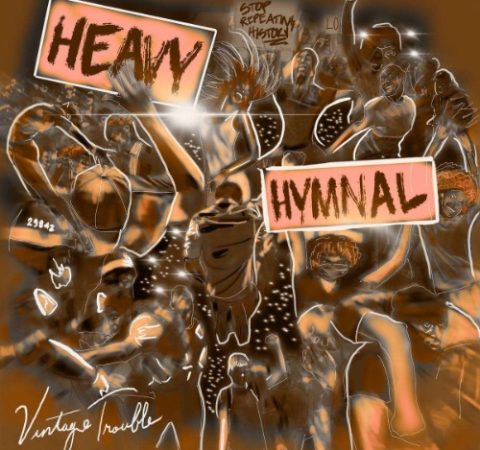
Vintage Trouble Heavy HymnalIn the world of streaming music it’s virtually impossible for a band to break through into the public consciousness. Artists nowadays hope that their songs will be licensed to a commercial, or a video game, or a movie. Satellite radio exists, of course, but with so many stations to choose from, bands easily get lost in the shuffle. Today, albums are no longer the coin of the realm. The single has returned. Albums are still being made but that almost seems like a tradition more than an expression of artistry. The sad truth is that unless you’re selling (and streaming) in Taylor Swift-like numbers, a band today can’t make much (if any) money based on record sales. Money must be earned on the road, playing large and small clubs and theaters to a hopefully packed house.

In my mind this sets up an unfortunate conflict between the entertainers (the guys jumping around on stage singing their hearts out) and the artists (the guys sitting in a small room agonizing over which chord should come next in the song they’re writing). There’s just no money in artistry these days.

So it is that Vintage Trouble, a band that released their first record way back in 2011, took twelve full years by the time they got to their third album. For context, that’s as long as the Beatles entire career from their skiffle days until their breakup. Sadly, it also appears to be the last Vintage Trouble album, as the band announced that they are “on hiatus” in early 2024. While “on hiatus” can mean many things, their website has essentially shut down with only a message that they are pursuing individual and family endeavors. “We’ll miss you for sure. May we all continue as friends and supporters of one another” sounds a lot more conclusive than “See you soon!”

It’s a shame that this band was forced by the times to spend so much more effort on the road than in the studio. They released only three proper albums (a fourth, Juke Joint Gems, was collected from old recordings and released only digitally), so in the wake of their dissolution we have only a few records to fall back on. Equally sad, their final album, Heavy Hymnal, may be their best, pointing to a bright future that is no more.

More than their previous albums, The Bomb Shelter Sessions and 1 Hopeful Road, this is an album that feels like they’ve got something to say. From the machine gun rapid fire rapping of opener “Who I Am” to the Marvin Gaye-inspired closer “Repeating History” the album is by turns defiant and melancholy, sometimes within the same song. But regardless of the lyrical themes, every song has an infectious groove guaranteed to get you moving. Like all the best soul albums, Heavy Hymnal flows like a party from the boisterous opening salvo of “Who I Am” and “You Already Know” (which features two molten metal guitar solos from Nalle Colt) to the reflective closing of “Shinin'” and “Repeating History” with its mournful guitar solo that evokes Eddie Hazel’s legendary turn on Funkadelic’s “Maggot Brain”.

There are torch songs for slow dancers, like “Not The One,” and the beautiful “The Love That Once Lingered” but the accent here, more than on their previous albums, is on get-your-hands-in-the-air bangers. Elsewhere, the band channels Prince channeling Stevie Wonder (“Baby, What You Do”), explores dance rhythms (“Feeling On”), and even merges a slinky funk groove with power pop (“Shinin'”).

Vintage Trouble was a band with talent to burn. They approached their music fearlessly and in their time delivered three of the best soul/funk albums ever recorded. Their albums stand as testament to a love for music of many different genres. While at their core they were a soul band, they also touched on rap, rhythm and blues, dance music, and rock and roll. In this era of girl pop, streaming, and iTunes, they deserved better.

Grade: A